
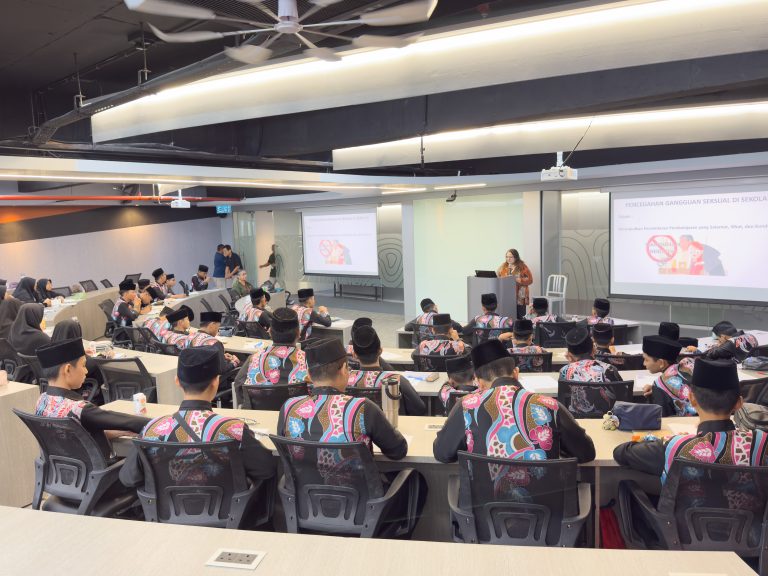
Academics from Quest International University’s (QIU) Faculty of Medicine recently shared vital health and wellness information with one of Ipoh’s underserved groups through our Youth Wellness Programme, which comprised interactive workshops held on 12 and 19 September 2026.
Designed for students from Forms 1 through 4 at SABK Maahad Tahfiz dan Akademik Bakip – MATAQAB, the workshops were held at two venues: the first was conducted on-site at the residential institution, which provides quality education to underprivileged youth, while the second was hosted on campus at QIU.
Our Youth Wellness Programme is the latest example of QIU’s commitment to uplifting the community through a diversity of initiatives that augment national and global efforts towards achieving the UN’s Sustainable Development Goals (SDGs), with #3 – Good Health and Well-Being as the target SDG for this programme.
The workshops under this programme sought to support the participants’ physical health and improve their mental resilience and emotional well-being, thereby empowering them to thrive in their studies while maintaining a balanced lifestyle.
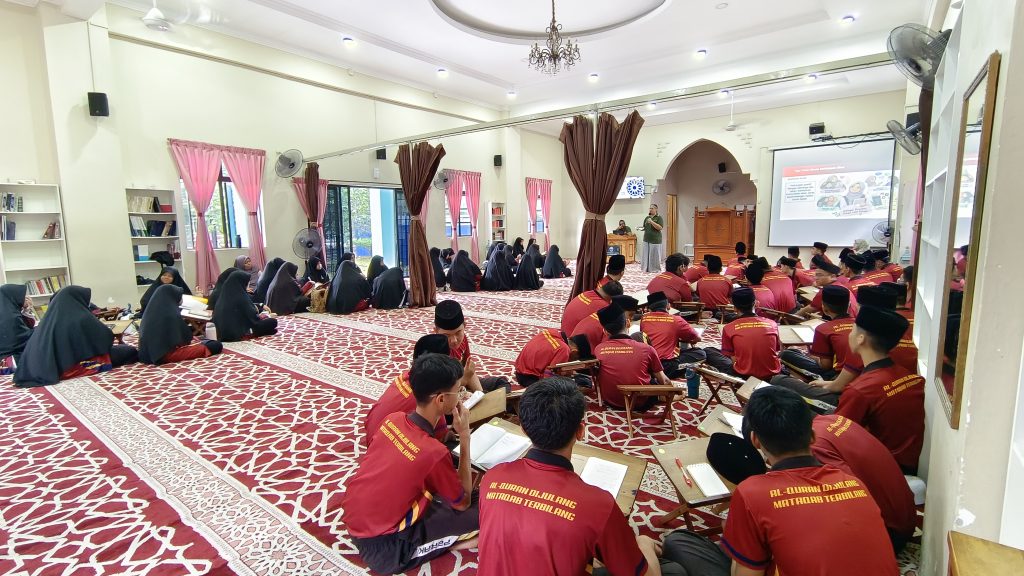
Highlights were aplenty across the two sessions. In the first workshop, Dr Bhupinder Kaur enlightened the audience on key aspects of general health, including lifestyle factors and the importance of prevention over cure. Later, Prof. Dr Darryl Ong and Dr Nurul Dayana Mahizir teamed up to instruct participants on the importance of healthy choices and habits, particularly the ability to resist peer pressure to engage in harmful activities such as smoking, vaping, and substance abuse.
Afterwards, Dr Nurul Hazliana Harun unpacked the ‘power of the healthy plate’ by discussing food groups and balanced nutrition, as well as how one’s diet affects long-term health. Dr Ong and Dr Dayana then facilitated a relay game that encouraged physical movement, teamwork, and coordination. Students were divided into groups and asked to build a pyramid using paper cups and a piece of thread. The first workshop concluded with a reflection session, allowing participants to reinforce the lessons of the day.
A week later, the second workshop opened with an insightful talk on mental health by Prof. Dr Eddie Soon, who explored the connection between stress, emotions, and physical health. His talk was followed by Prof. Dr Bilbir Kaur’s exploration of the harms of sexual harassment and bullying, and how to prevent them. Later, Mr Shanta Kumar Chandrasekaran educated the audience on the need for ‘digital balance’ by helping them understand the effects of excessive screen time and sedentary tech habits.
Naturally, we are proud of our staff for their tireless efforts to uplift the lives of often-overlooked individuals and groups. We also look forward to more programmes that inspire the community to embrace better living – an ideal that has always been central to our mission as a progressive, socially responsible university.

