
What changes when students encounter communication not through a screen or textbook, but inside the spaces where public debate and news production actually take place?
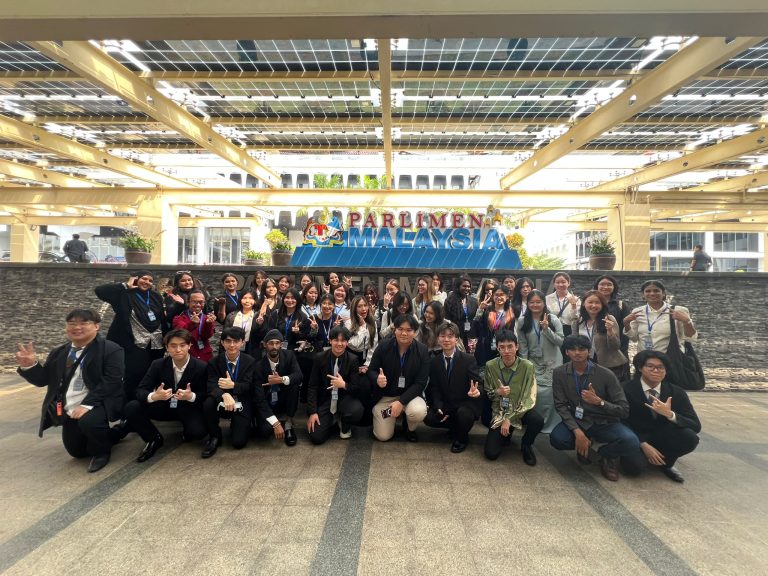
For 42 students from QIU’s, accompanied by three lecturers, a recent educational visit to the Parliament of Malaysia and Astro AWANI offered exactly that opportunity.
The day began at Parliament, where students observed a Dewan Rakyat sitting before taking part in a tour and briefing on the workings of Malaysia’s legislative institution.
Watching the proceedings unfold in person gave students a different perspective from encountering Parliament through news reports or social media. They were able to observe the setting, procedures and exchanges through which national issues are raised and debated.
The group also met YB Tuan Tan Kar Hing, Member of Parliament for Gopeng, who shared his journey into public service and his experiences as an elected representative. Students had the opportunity to engage directly with him, ask questions and hear about the responsibilities and realities of serving as an MP. YB Tan later hosted the group for lunch.
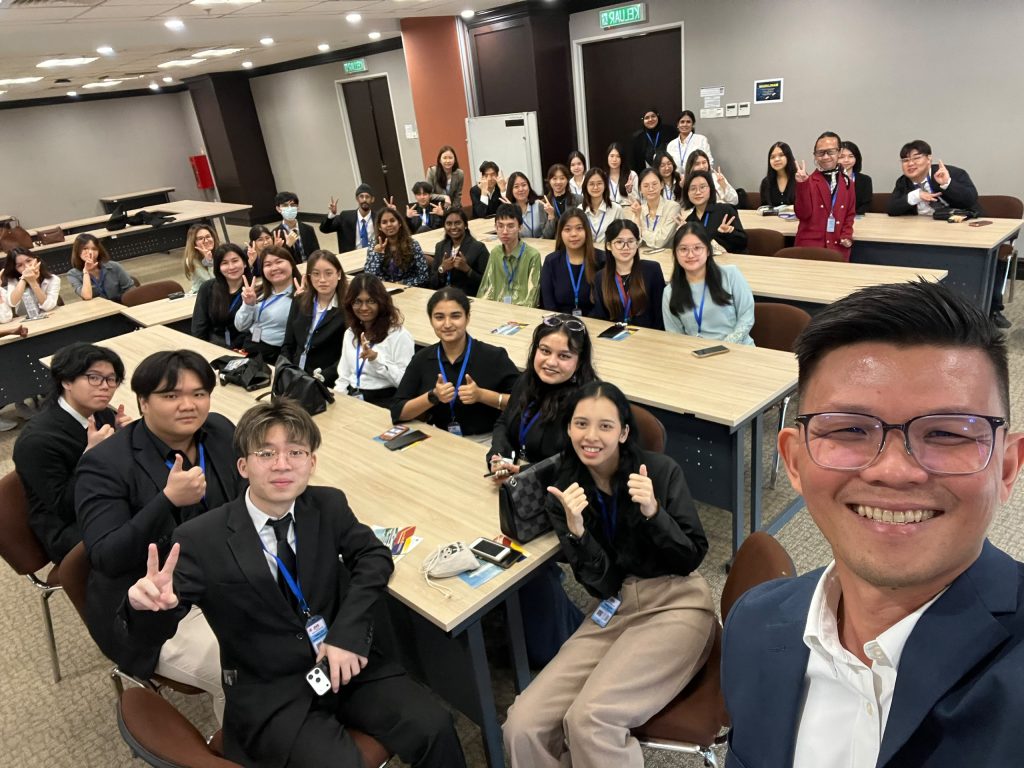
In the afternoon, the experience shifted from the halls of Parliament to the studios of Astro AWANI.
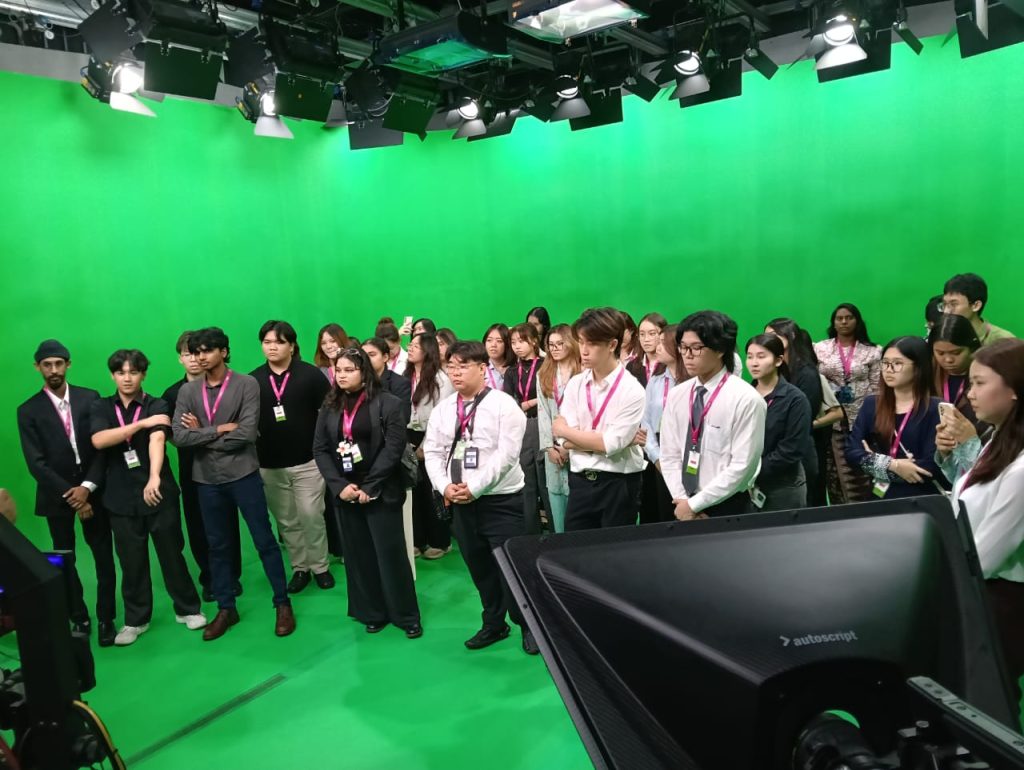
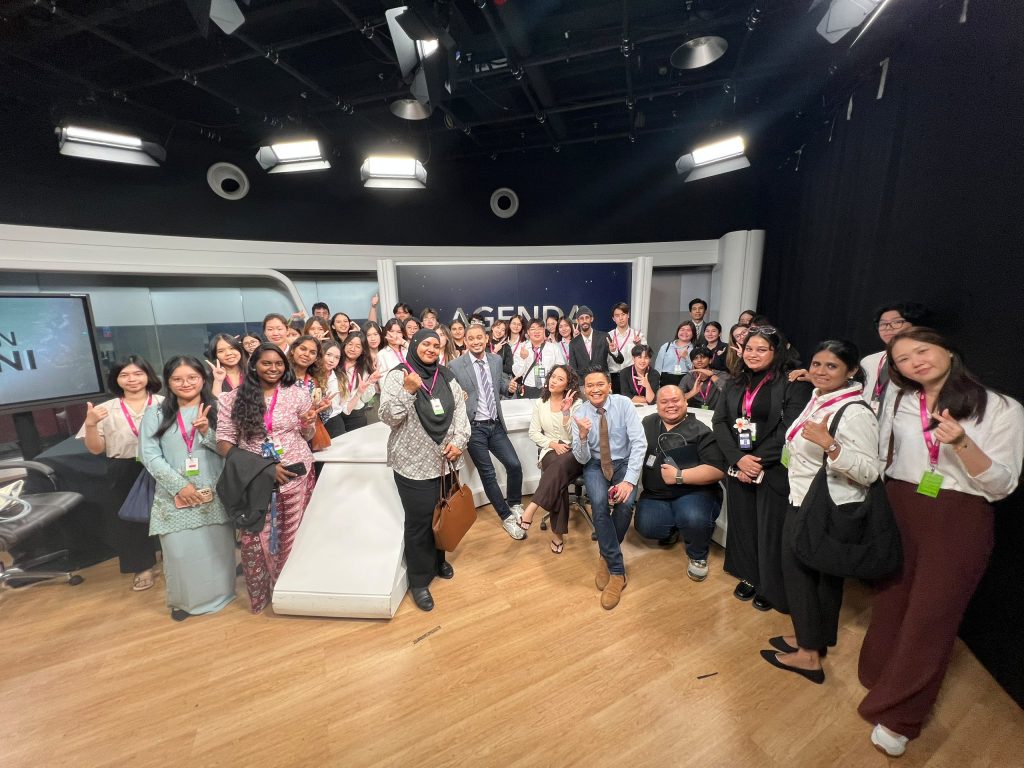
Guided by Harits Asyraf Hasnan and the Astro AWANI team, students went behind the scenes of broadcast and digital journalism, exploring studio and green-screen production spaces while learning more about how news is prepared and communicated across different platforms.
The conversation also moved into challenges facing today’s communication professionals, including artificial intelligence, fact-checking and information verification. As AI increasingly changes the speed and ways in which information can be created and circulated, the discussion highlighted something technology cannot replace so easily: the need to question, verify and exercise sound professional judgement.
Students also had the opportunity to interact with Astro AWANI anchors and media professionals, offering them a closer look at the people, decisions and production processes behind the news audiences encounter every day.
Although Parliament and a news organisation play very different roles, experiencing both on the same day gave students a broader view of how communication operates across society — from public debate and representation to journalism, media production and audience engagement.
The educational visit was also supported by funding from Ad U, QIU School of Communication’s student-run advertising agency. Run by communication students, Ad U gives students opportunities to work with real clients and apply their skills across areas such as marketing communication, print, broadcast and social media.
For the QIU School of Communication, experiences like these allow students to move between what they learn, what they observe and what they begin to question for themselves — bringing communication closer to the world in which they will eventually practise it.

