

Quest International University (QIU) academics have a knack for pushing the boundaries of science across disciplines. Through timely and rigorous research in cutting-edge concepts, they are working on solutions that hold the promise of transforming millions of lives, and even saving them!
Dr Koh Cai Ping from our Faculty of Medicine is one such expert. She has again planted the flag of excellence in her field as co-corresponding author of a significant study on immunotherapy that was recently included in the influential Journal of Leukocyte Biology: a Q1 periodical published by the Oxford University Press.
The study, entitled ‘Differential requirement for IL-2 and IL-23 in the differentiation and effector functions of Th17/ILC3-like cells in a human T- cell line’, uncovered critical insights into the intricate interplay between cytokines IL-2 and IL-23 in T-cell differentiation and effector functions, according to the authors.
Dr Koh says the study “sheds light on the nuanced dynamics of cytokine signalling in T-cell biology, offering new perspectives for enhancing immunotherapy efficacy in cancer treatment.” Its findings offer a “potential strategy to overcome immune suppression within the tumour microenvironment,” she adds.
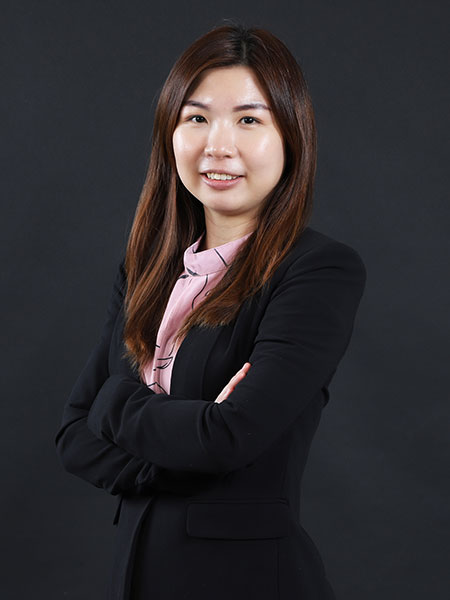
In collaboration with an international team of accomplished researchers – including Associate Professor Dr Dominic Voon Chih-cheng from Kanazawa University, Japan – Dr Koh’s work may prove to be a game changer in how we treat cancers and vastly improve the accuracy and success rates of immunotherapies.
Dr Koh, of course, is no stranger to accolades for her scientific prowess. Just last year, she teamed up with fellow researchers at QIU and other distinguished forensic scientists to recommend a fresh approach to autopsies when COVID-19 vaccines are involved – research that was soon shortlisted as an important guideline by the World Health Organisation (WHO).
For those unaware, T-cells are a type of white blood cells that form part of the human immune system. They help protect the body from infections and may help fight cancer. Scientists hope that harnessing T-cells may boost the efficacy of immunotherapies, enabling the immune system to recognise, remember, and precisely target cancerous cells.
We’re immensely proud of Dr Koh Cai Ping’s breakthrough in immunotherapy research and look forward to more revelations about the inherent marvels of the human body that can help extend and enrich our lives!

