
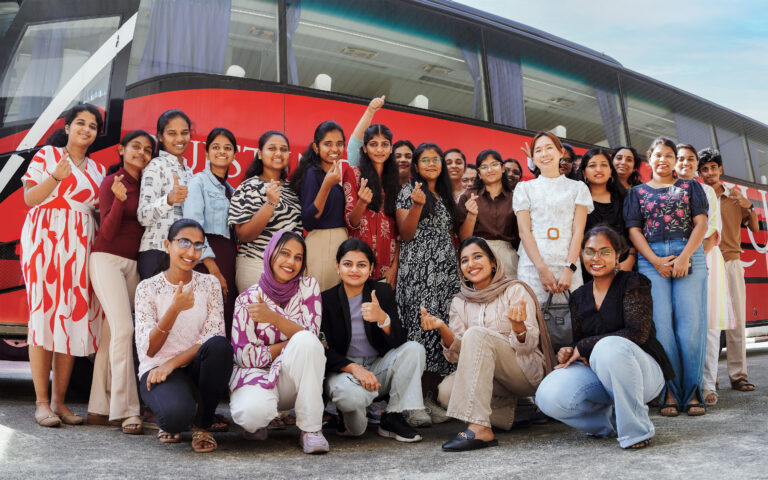
QIU recently welcomed students and academics from Al-Shifa College of Pharmacy and KMCH College of Pharmacy, India, for a five-day Global Immersion Programme designed to deepen academic exchange and strengthen collaboration in pharmacy education. The programme brought together participants for a series of knowledge-sharing sessions, clinical exposure, and industry-focused learning experiences.
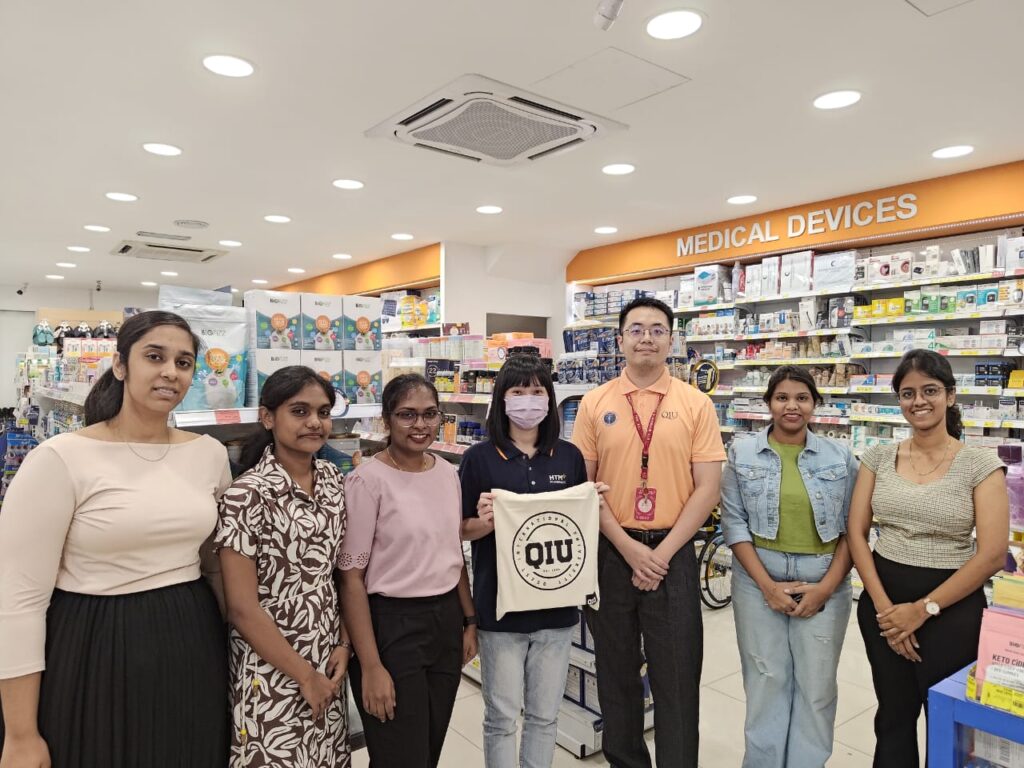
Hosted by QIU’s Faculty of Pharmacy, the programme featured talks and discussions on pharmacy practice in Malaysia, clinical pharmacy roles, clinical research, biostatistics, problem-based learning, and community pharmacy, among other topics. The visiting participants also gained first-hand exposure to local healthcare services through visits to local pharmacies and Ipoh’s Hospital Raja Permaisuri Bainun, where they were able to connect classroom learning with real-world clinical practice.
Vice-Chancellor Prof Zita Mohd Fahmi said the university was honoured to host participants from both institutions and described the programme as a meaningful platform for dialogue, collaboration, and cultural exchange. She noted that the immersion reflected QIU’s belief that learning extends beyond the classroom and that such initiatives help broaden perspectives and deepen understanding.
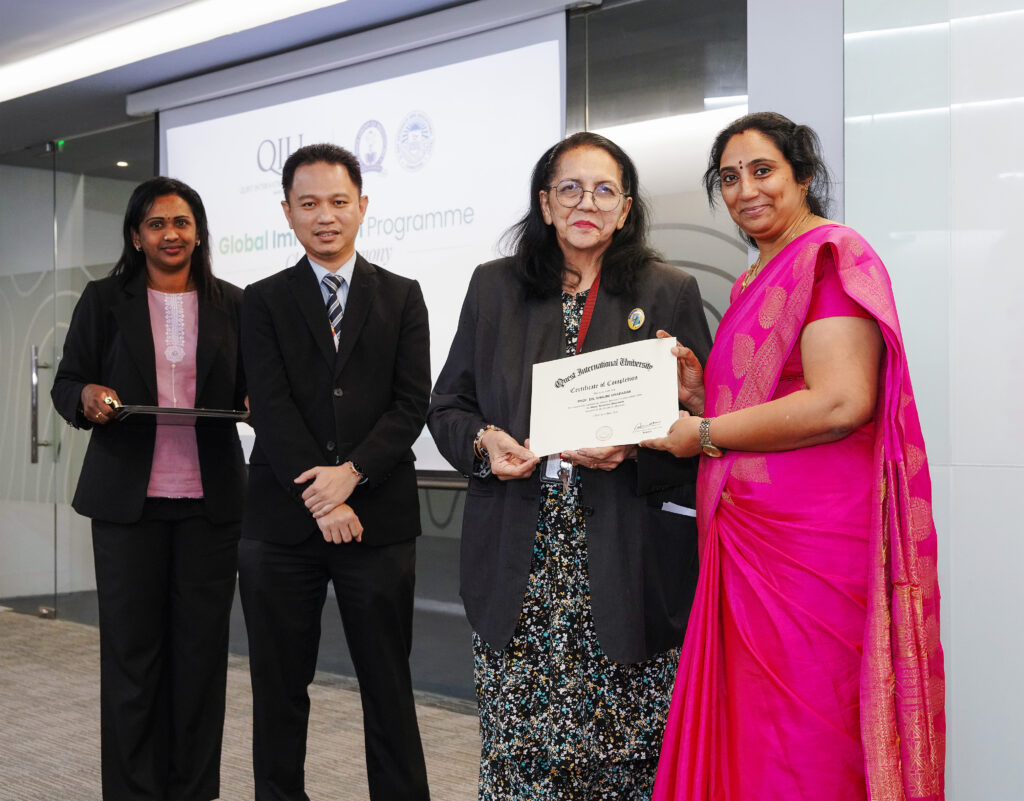
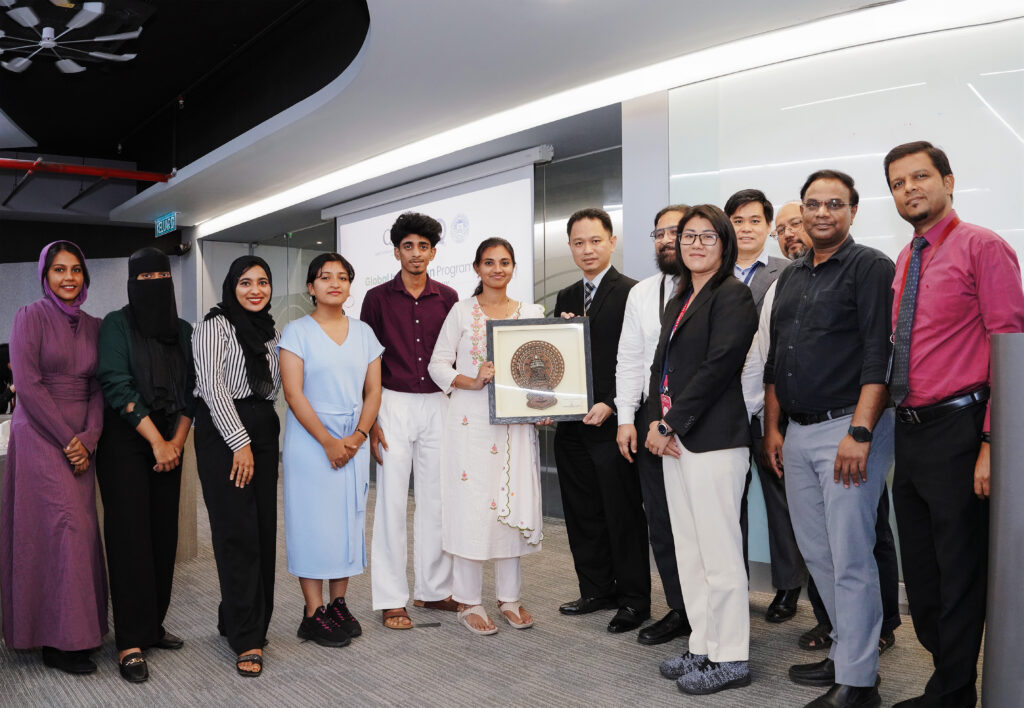
“The programme is evidence of QIU’s ongoing partnerships with both colleges. Our collaboration is active, impactful, and grounded in shared aspirations for the advancement of pharmacy education,” she said.
Prof Zita pointed to QIU’s partnership with Al-Shifa College of Pharmacy, formalised through an MoU signed in 2023, as well as the institutions’ prior PDPBL workshop, first Global Immersion Programme in 2023, and continued participation this year.
Similarly, she highlighted QIU’s collaboration with KMCH College of Pharmacy, which signed an MoU in 2024.
“These collaborations do more than bring institutions together—they strengthen academic ties, promote meaningful knowledge exchange, and open doors to future opportunities in research, student mobility, and professional training,” she said.
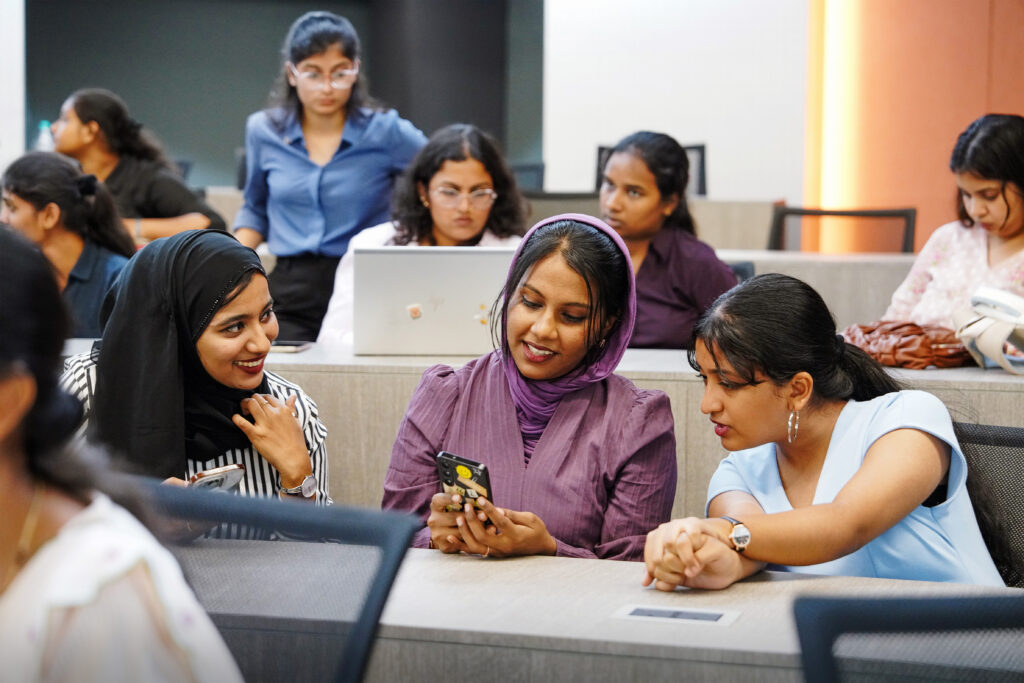
Prof Zita also encouraged the students to apply what they had learned, continue engaging internationally, and serve as ambassadors of their respective institutions.

