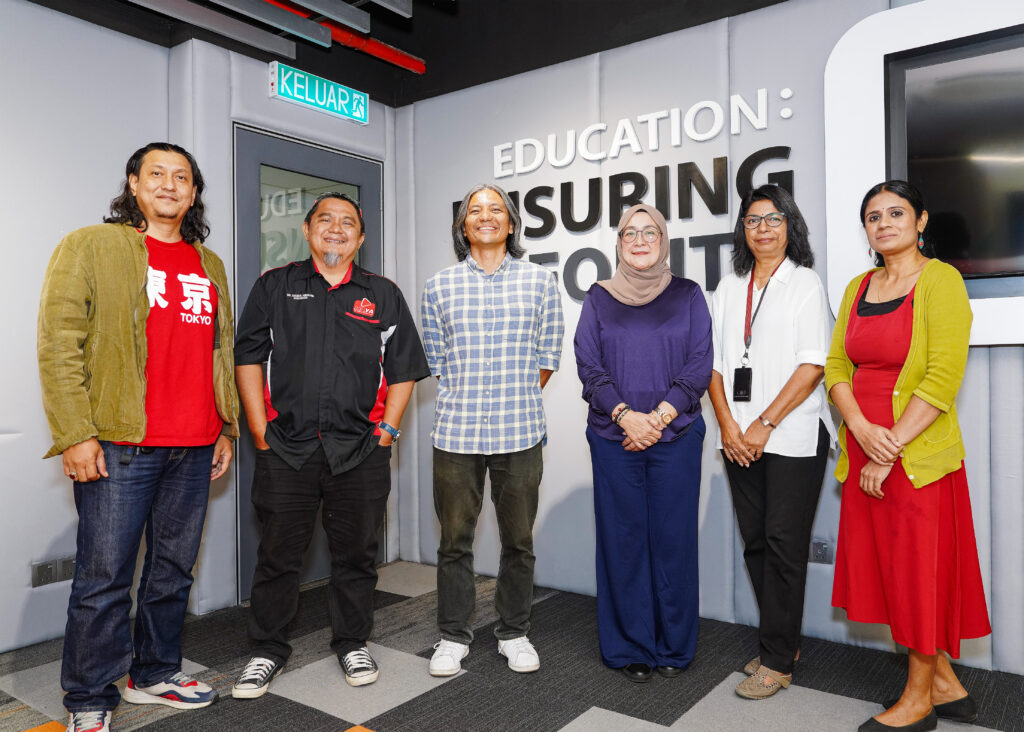
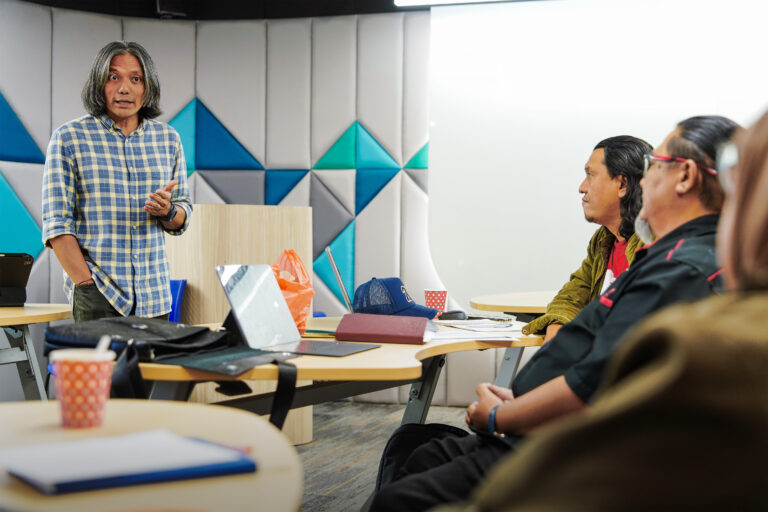
At QIU, learning doesn’t always begin in a lecture hall—it often starts with a room full of professionals, each bringing years of real-world experience to the table, and a shared goal of turning that experience into meaningful academic progression. This was precisely the atmosphere at the recent APEL.A Assessment Preparatory Workshop for Master by Research (Level T7), where participants were guided on how to translate their professional journeys into structured, research-driven submissions that meet APEL.A requirements.
The face-to-face workshop provided hands-on support in developing experiential learning portfolios, refining research intent, and preparing for the APEL.A interview assessment. Structured across both academic and industry-focused sessions, it ensured that participants gained a comprehensive understanding of what is expected—both in theory and in practice.
What made the workshop especially valuable was QIU’s deliberate blending of research education with real-world expertise. The sessions were led by QIU academic trainers, who guided participants through the essentials of constructing an experiential learning portfolio and shaping a clear research intent. Complementing this was a dedicated industry segment that grounded these academic components in real-world context, allowing participants to see how their professional insights could be translated into relevant and impactful research directions.
A key highlight of the workshop was the session on Current Industry Research Gaps delivered by Mr Zan Azlee, Executive Producer of Fat Bidin Sdn. Bhd. Drawing from his extensive experience in media and journalism, he offered participants a thought-provoking look into the evolving landscape of the industry. His session explored critical themes such as the role of media and journalism in shaping public policy, the importance of transparent funding and ownership of media outlets, and the ongoing debate around responsible journalism—whether it serves society or authority. These insights not only sparked meaningful discussion, but also helped participants identify relevant research gaps that could inform their own academic pursuits.
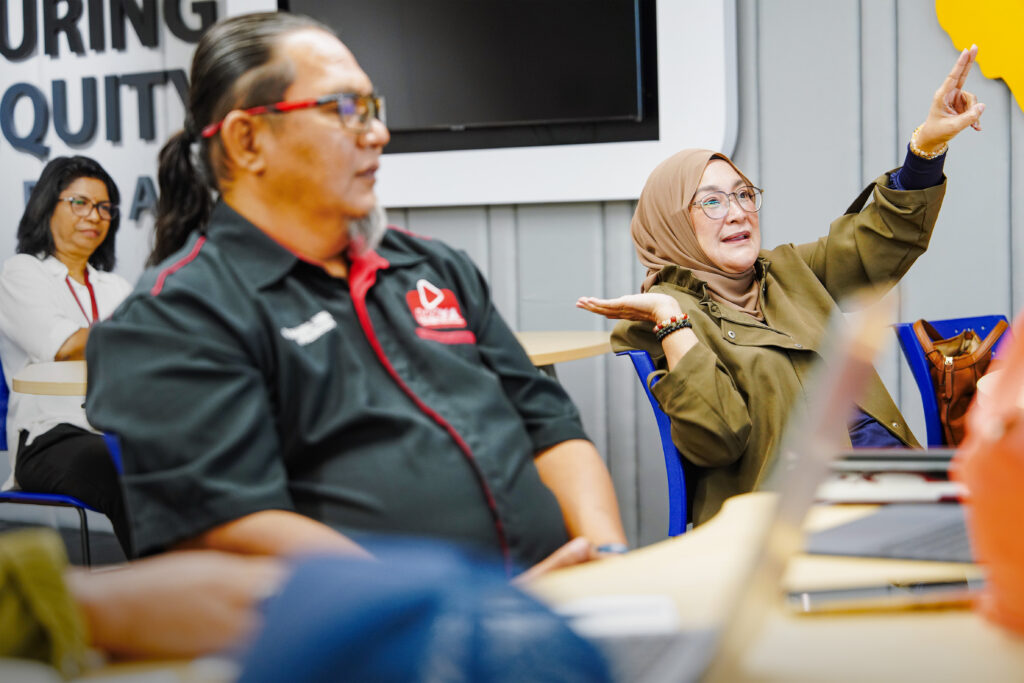
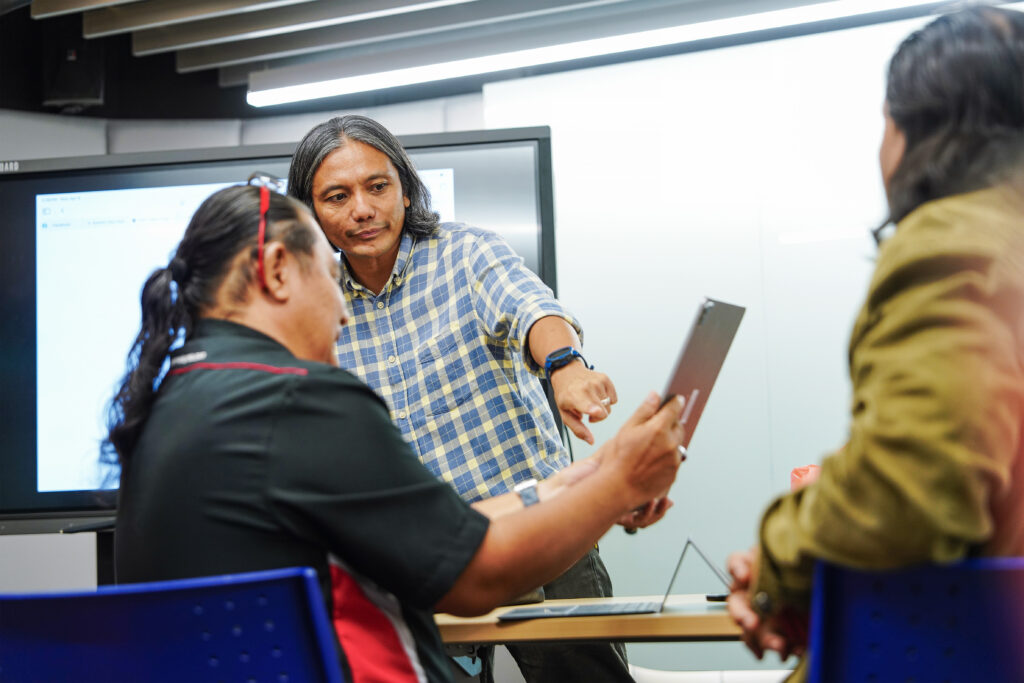
The workshop also brought together participants who were already highly experienced in their own professional fields, making the learning environment especially rich and practical. Among them were seasoned practitioners from the creative industry, media production, film direction, and film production management. Their backgrounds reflected years of hands-on experience, leadership roles, and substantial professional contributions, creating a strong foundation for meaningful discussion, reflection, and peer learning throughout the session.
By bringing together academic guidance, industry insight and participants with deep professional experience, QIU once again demonstrated its commitment to offering learning that goes beyond theory. The workshop reflected the university’s strength in creating an environment where research preparation is informed by practice, and where professional experience is recognised as a valuable asset in academic advancement.