
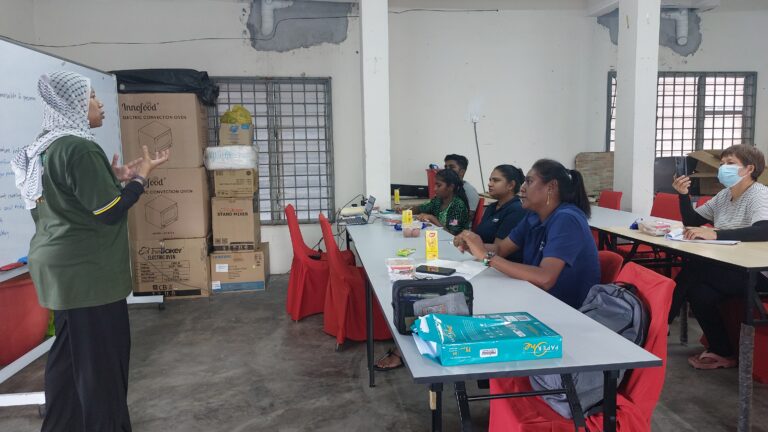
Community outreach has always been a key pillar of our university, and we are proud to announce another successful chapter via the HOPE Project — a community-centred initiative that ran from August to December 2025 to uplift residents of PPR Taman Harmoni Buntong.
Designed and delivered in partnership with the QIU SDG Education Cluster, QCI Quest University, KRT PPR Taman Harmoni Buntong and Persatuan Penduduk PPR Taman Harmoni Buntong, the project combined academic support, skills development and holistic enrichment to benefit students, youth, women and children in the area.
Implemented across three focused phases, the HOPE Project began with SPM Power Prep (August–October 2025), a targeted programme for secondary students preparing for the Sijil Pelajaran Malaysia (SPM). Through subject-specific coaching, study-skills workshops, exam strategies and motivational sessions, participating students received guided academic support and confidence-building activities to help them approach their exams with improved readiness and a more positive learning mindset.
In November 2025, the project shifted focus to women in the community with WomeNeur — an empowerment programme emphasising entrepreneurship, basic financial literacy, skills-sharing and self-development. WomeNeur aimed to open pathways for economic participation and to equip women with practical knowledge they can apply toward income-generating activities or personal growth.
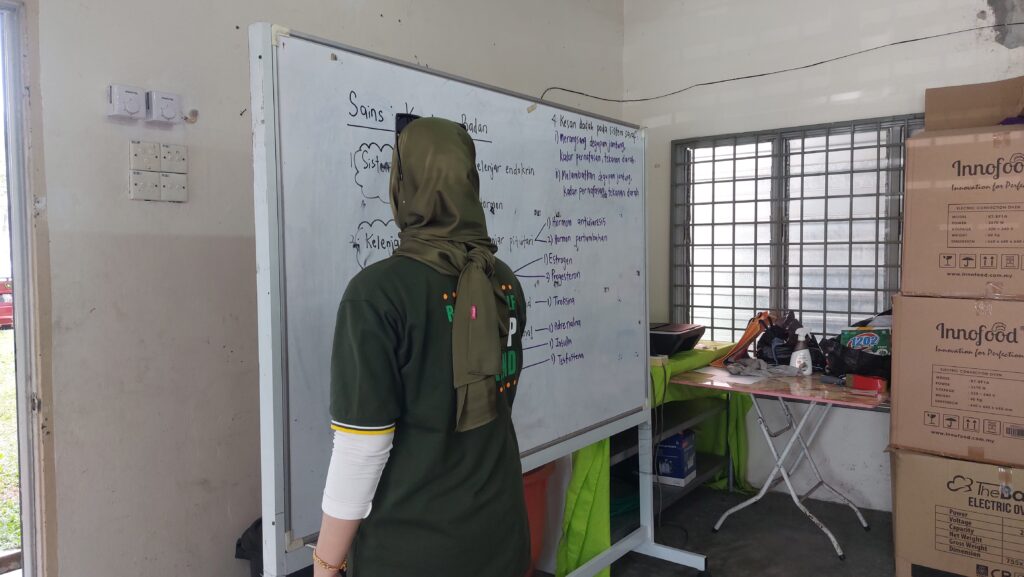
The HOPE Project concluded with a School Holiday programme in December 2025, offering school-age children a safe, stimulating environment during the year-end break. The programme featured educational games, creative tasks, teamwork challenges and character-building sessions that kept children engaged, supported holistic development and reinforced positive peer interaction.
All activities were held at the familiar and accessible KRT Hall, Harmoni Flat, Buntong (Persiaran Guntong (S) 1/3), which helped secure strong attendance and active community participation. Trainers, contributors, volunteers and committee members from the university and partner organisations worked closely with residents to ensure smooth delivery — a collaborative effort that underpinned the project’s success.
Key outcomes from the HOPE Project included:
- Increased academic confidence and improved preparedness among SPM participants.
- Greater awareness among women of entrepreneurship and personal development opportunities.
- Positive engagement and developmental gains for children through structured holiday activities.
- Strengthened partnerships and trust between QIU and the Harmoni Buntong community.
- Immediate material support for participants in the form of rice, canned goods, vouchers and snacks.
While the project officially closed its current series of activities, organisers emphasise that HOPE is a beginning rather than an end. The team described the initiative as a foundation for future collaborative programmes that will continue to support, empower and uplift the local community. The tangible assistance provided alongside capacity-building sessions reinforced QIU’s commitment to both short-term relief and longer-term empowerment.
The success of the HOPE Project stands as another example of QIU’s ongoing dedication to its hometown — demonstrating how sustained partnership, practical programmes and caring volunteers can create meaningful impact.

